My Father's Disease Killed Me at 50
He squeezed my hand and asked: "Hey, kid — are you a friend of my son?" Alzheimer's had erased my grandfather the exact same way. That day, I understood: I was next. Then, at two in the morning, I stumbled onto something someone had already erased from the internet.
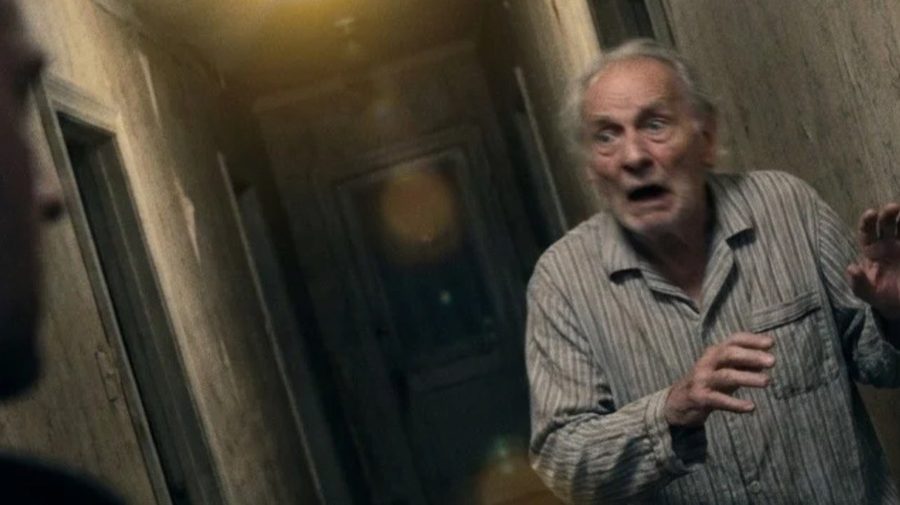
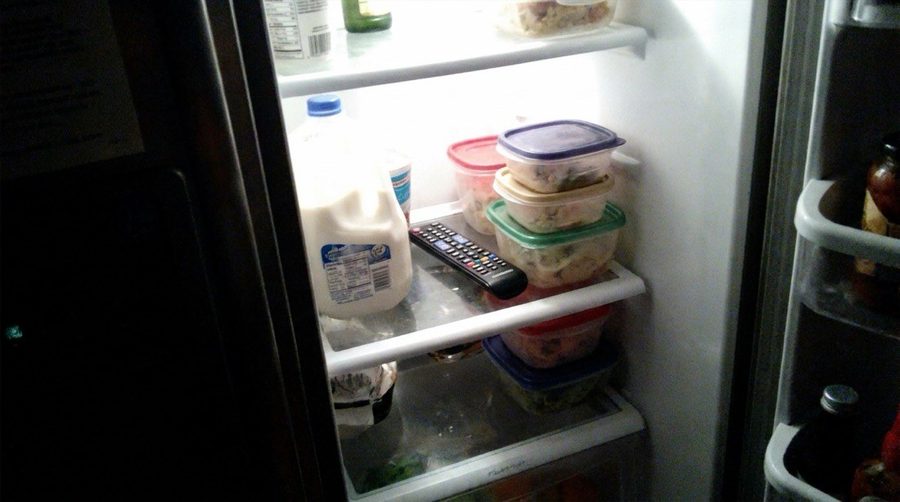
My father had started forgetting things that once seemed impossible to forget. He'd put the TV remote in the refrigerator and swear someone had been moving his belongings. He'd look at me a second too long before saying my name — as if he had to search for it.
Then came the day he squeezed my hand, smiled politely, and asked:
"Hey, kid — are you a friend of my son?" — My father, in his own living room
A few weeks later, at a routine check-up, I found out I carry an elevated genetic predisposition to the same disease. I was devastated. My work depends on my memory — but in that moment I wasn't thinking about work. I was terrified of forgetting my family, my own history. Of dying while still alive. I kept picturing my daughter looking at me the way my father had just looked at me.
So I did everything right. I sought out specialists. I went through full evaluations. I followed the three best neurologists in the city to the letter. And I learned what "treatment" actually means: one of my father's medications alone cost more than $26,500 a year — and he was still asking me who I was.
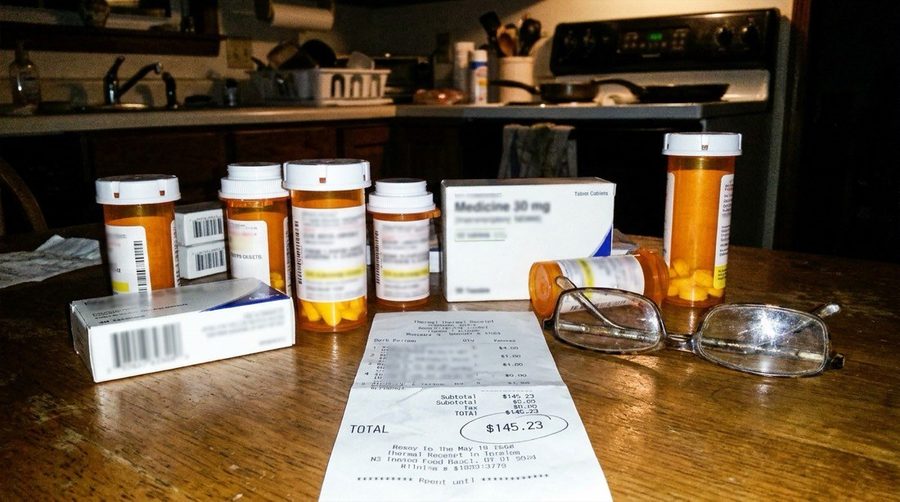
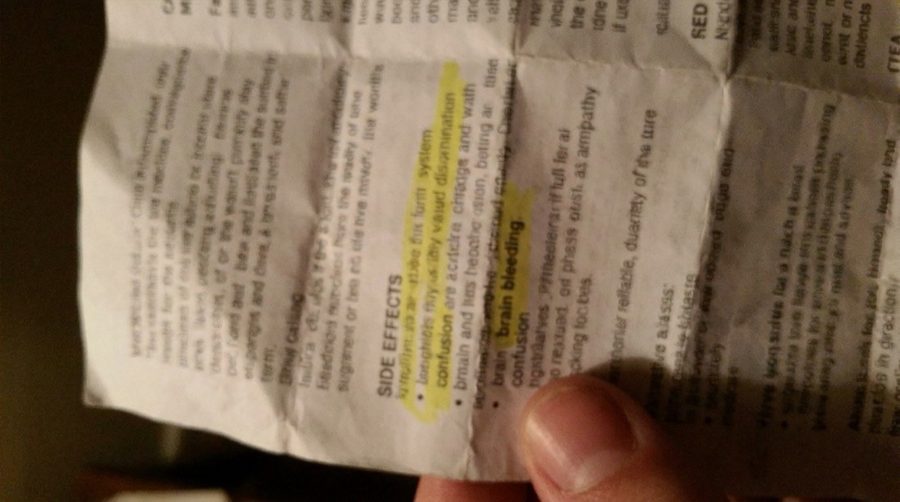
Then I read the package insert. Nausea. Mental confusion. And in the most severe cases, brain swelling and brain bleeding. They were prescribing the same road thousands of families walk every single day without results. The same road that took my grandfather.
2 A.M. — and a Page That No Longer Existed
I wasn't even looking for an answer when it found me. It was two in the morning and I was trying to understand why my father woke up confused every single night, when I fell into an article about something they were calling "the Vick trick."
I clicked the link. The page had been wiped from the internet.
By sheer luck, I had taken a screenshot of the headline before it disappeared:
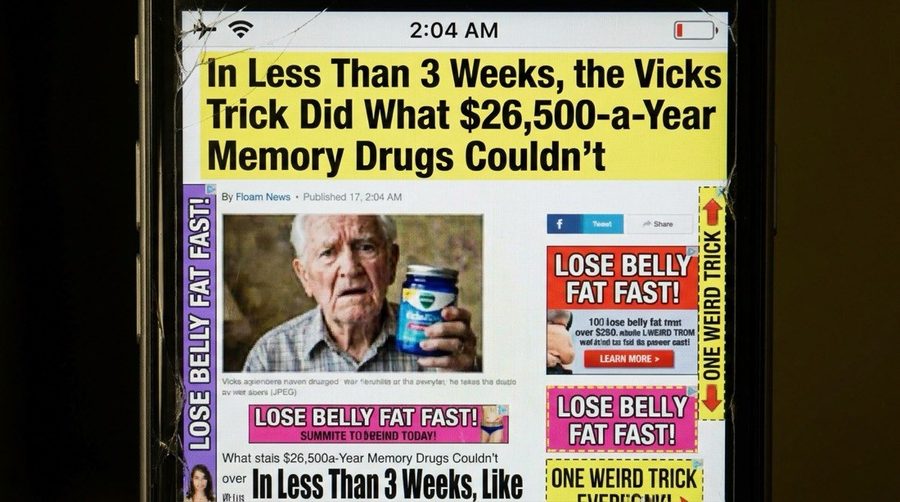
I immediately called a friend who works at a major news network. He told me they had received a court order to take the story down — because it threatened the revenue of the laboratories that sell memory pills. Then he lowered his voice:
"Mike, I saved the link on a secure server. Watch it through here — but be careful who you share it with."
The next day, I caught the same story on a morning newscast:
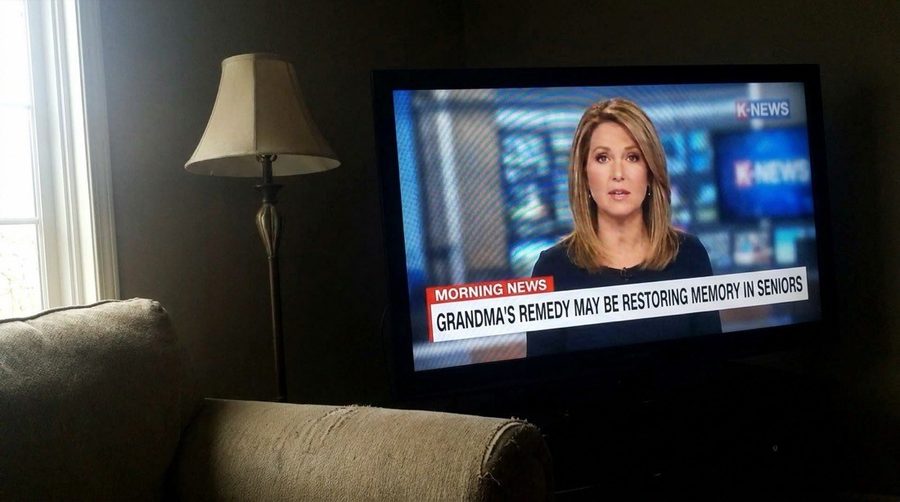
ANCHOR: A remedy almost every home already has in the bathroom cabinet is drawing the attention of researchers. Families of seniors with memory loss report improvements that surprised even their doctors.
REPORTER: Margaret is 78. Six months ago, she didn't recognize her own granddaughter.
GRANDDAUGHTER: She looked at me like I was a stranger. Today she calls me every Sunday and remembers the name of everyone in the family.
REPORTER: The change didn't come from any expensive pharmacy drug. It came from what researchers are calling "grandma's remedy."
ANCHOR: Our team reached out to the manufacturers of the leading memory medications. None of them would comment.
"Grandma's remedy." I almost turned off the TV. And then the segment explained something no doctor had ever told me: memory doesn't die. It gets trapped — behind an invisible layer of microplastics that comes from food, water, even the air, and wraps itself around your neurons.
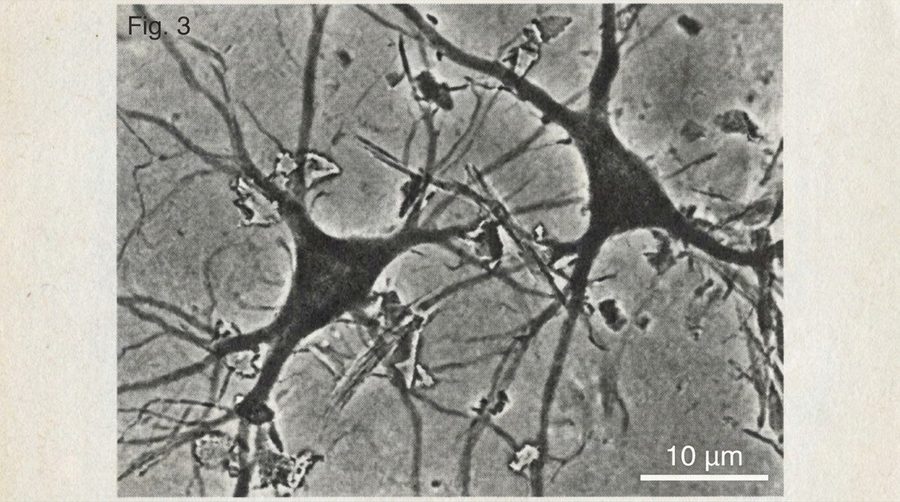
Look at the plastic bottle nearest to you right now. The food packaging in your fridge. The cup your coffee came in. That's what the layer is made of.
It's like a room full of family photos behind a locked door. The photos are all still there. You're just missing the key.
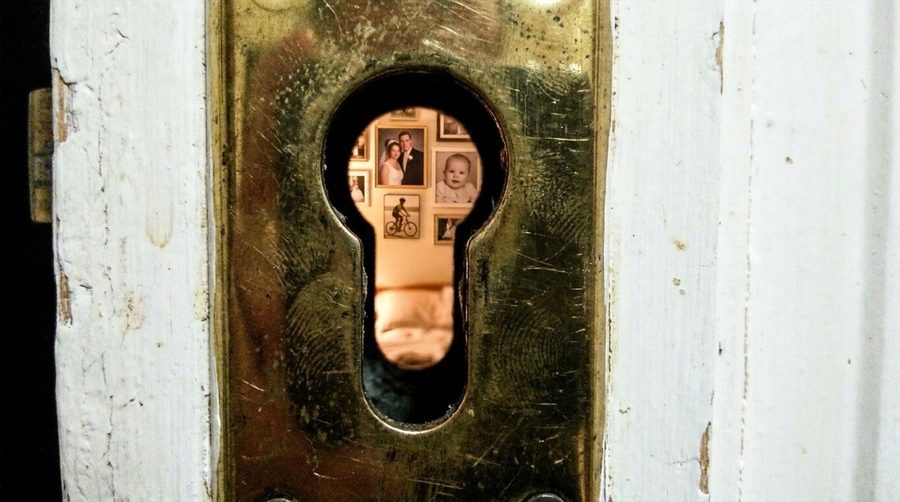
That's when I finally understood why they were erasing all of this. Because that "grandma's remedy" hadn't come from anyone's kitchen.
"Space Fog" — and the File Someone Shelved in 1978
You've heard that astronauts come back from space with their bodies destroyed. The bones weaken. The vision deteriorates. Some never see as clearly again. What almost nobody knows is what was happening inside their heads.
Up there, they started forgetting. Procedures they had trained for years. The names of their own crewmates. They coined a name for it themselves: "space fog." Imagine forgetting how to get home — 400 kilometers above the Earth.
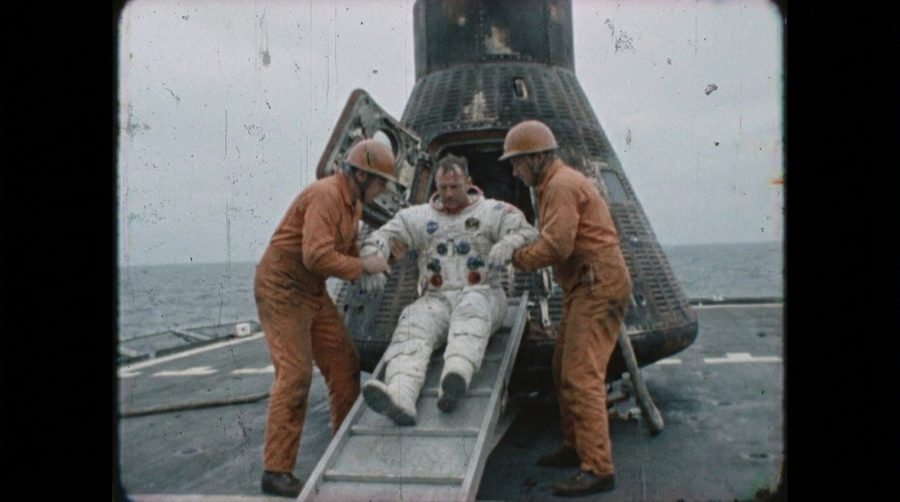
In 1978, NASA needed an answer at any cost. And according to a declassified archive shown in the report I watched, the answer was found in a compound your grandmother rubbed on your chest when you had a cold:
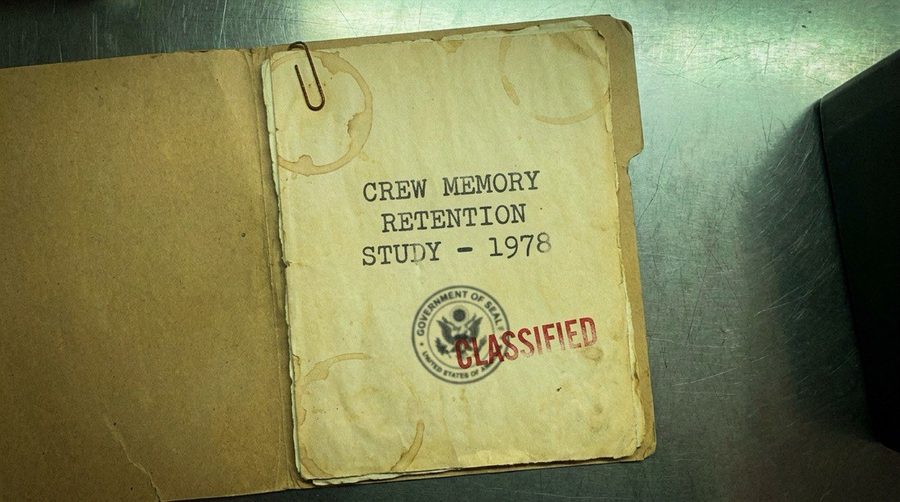
"The memory loss observed in the crew is not due to permanent damage. The memories remain intact, yet inaccessible. Tests with the active eucalyptus compound restored access within 3 weeks."
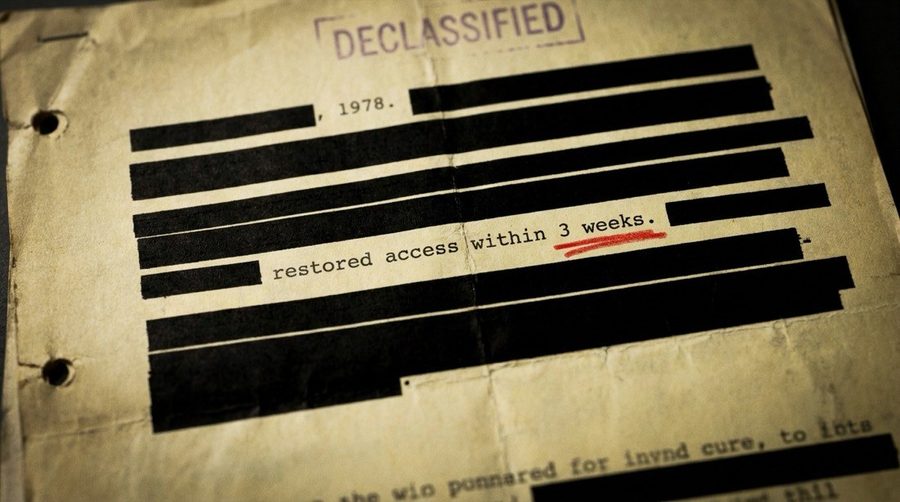
The active eucalyptus compound — eucalyptol — is the same one in Vicks VapoRub. The file was shelved and forgotten for nearly half a century. In the report, a former astronaut — face and voice digitally altered — explains why:
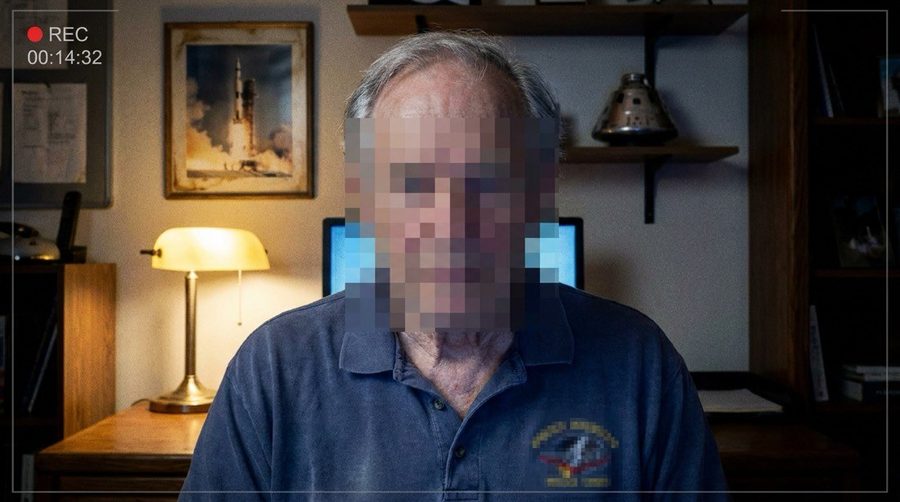
"We knew it worked. But it was too cheap. You can't patent a compound that's sitting in any drugstore. So they shelved it." — Interview with altered face and voice, shown in the report
A researcher who reviewed the data said a sentence I never forgot: "Maybe it isn't age. Maybe it's a blockage. And if there's a blockage, it can be removed."
In that instant, every piece fell into place. That's why the prescriptions are always the same. Curing a patient generates no recurring revenue. Masking the symptom does.
What 3 Weeks Did to My Father
I watched the full report and applied the exact protocol with my father. I wish I could show you his face on the morning, less than 3 weeks later, when he started talking about the afternoon he taught me to ride a bike.
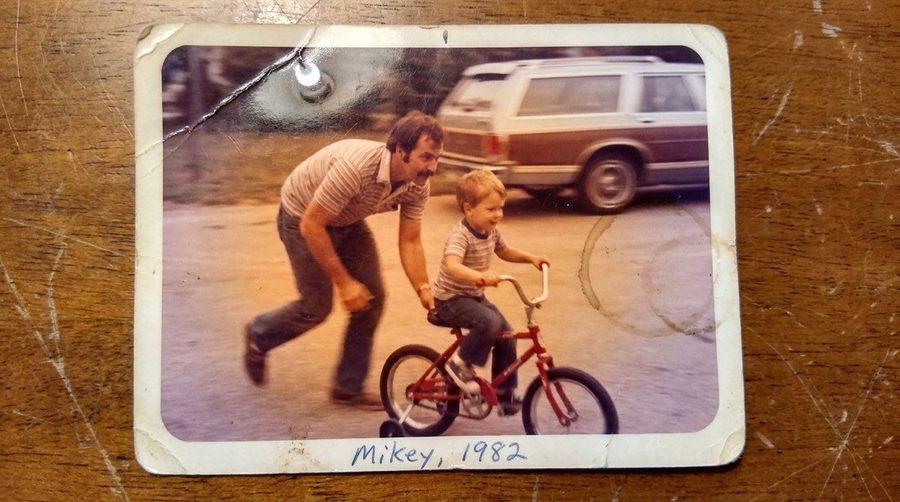
He took my hand — the same hand he had held when he asked if I was his son's friend — and said:
"You still hold the handlebars crooked, son."
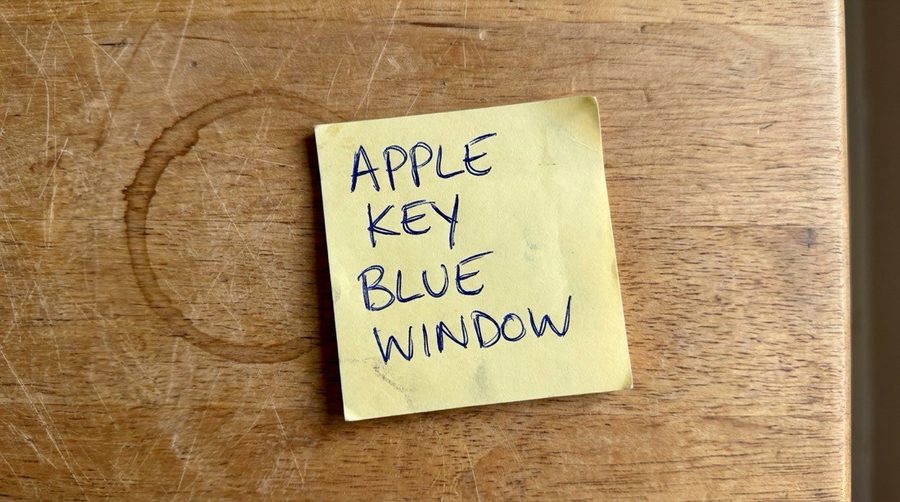
The following week, I found a note stuck to the refrigerator — the same refrigerator where he used to hide the remote:
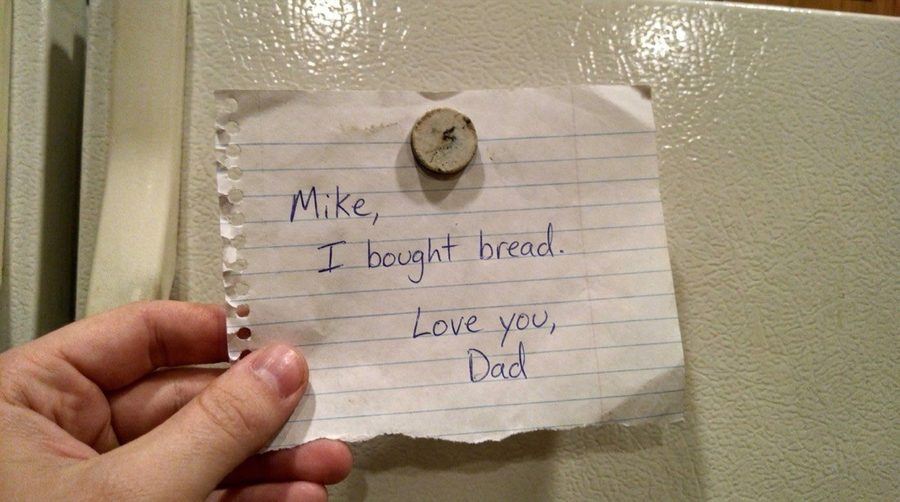
It was the first time in months he had written my name. His memory had never been gone. It was locked.
And it wasn't just memory. He started sleeping through the night again. Reading the paper in the morning. Beating me at chess.
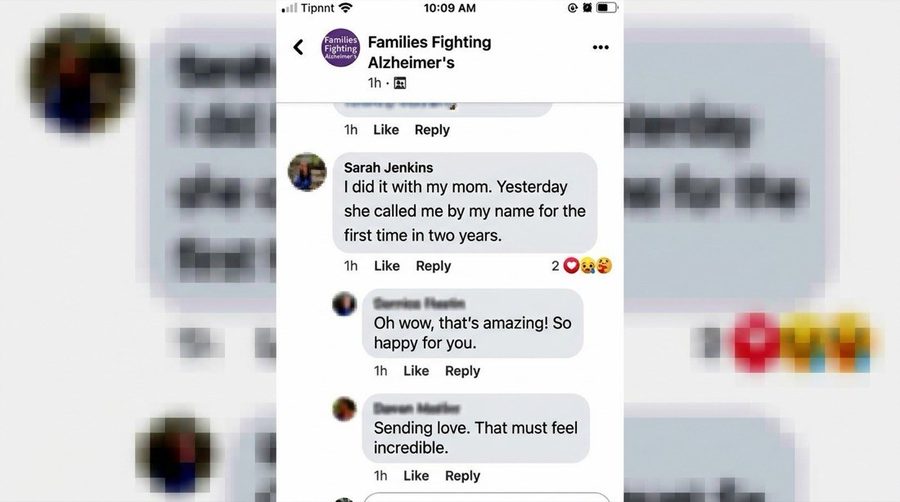
I told this story in a support group for families of Alzheimer's patients. A woman answered the same day: "I did it with my mother. Yesterday she called me by name for the first time in two years." Another message came from a 92-year-old man, writing with his grandson's help: "The fog lifted. The words came back. When your mind comes back, you come back with it."
Now — tell me the 4 words
At the top of this page, I asked you to hold 4 words in your mind.
Can you still say all of them? Be honest. Then tap below.
The Report I Saved That Night
The report I watched at two in the morning was produced by a team of investigative journalists who gained access to the original 1978 file. In just a few minutes, it explains:
- Why your loved one's memory is not lost — it's locked, and the signal that shows whether there's still time to open the door.
- The mistake almost everyone makes with the Vick — and why rubbing it on your chest before bed does absolutely nothing.
- The 10-second gesture, done every morning, that made my father remember the bicycle in less than 3 weeks.
They managed to erase it once. Actually, they've taken it down 7 times already. Maybe they'll succeed again tomorrow. So watch it carefully — because it may be the most important thing to enter your life in years.
Free presentation · No sign-up required · The protocol is revealed in the first minutes
They've taken it down 7 times. This mirror is scheduled to remain online only until .
Over 1 million people have already watched this presentation.
19,312 Comments
Mike, your fridge note made me cry. Same thing here — my husband was forgetting our grandchildren's names. He watched the report two months ago. Last Sunday he beat me at cards and remembered every story from our honeymoon.
I did it with my mother. Yesterday she called me by name for the first time in two years. I had to leave the room so she wouldn't see me crying.
I'm 92, writing this with my grandson's help — but the words are mine. The fog lifted. The words came back. When your mind comes back, you come back with it.
I failed the 4-word test. I'm 58 and forgot "window" by the time I got here. Watching the report tonight. Thank you for the wake-up call, Mike.